
Team
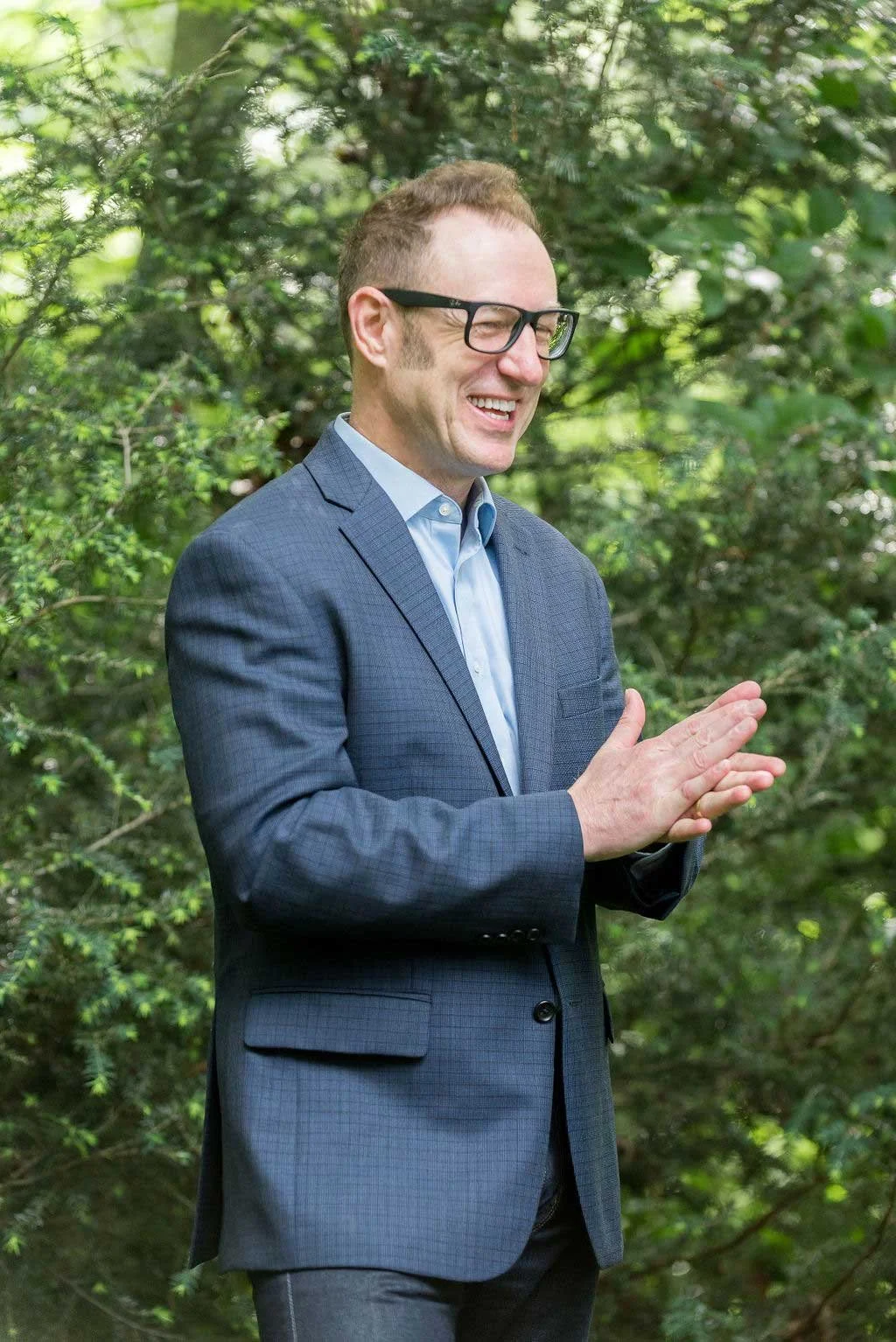
Thomas Watson
Thomas Watson is a social entrepreneur with more than 30 years of experience working at the intersection of nonprofit and business management, community and economic development, network building, and philanthropy. He is the founder of Rural Support Partners (RSP), where he works with executive leaders, boards, funders, and networks to strengthen organizations and support systems-level change in rural communities across Central Appalachia and beyond.
Before founding RSP, Thomas served as Director of the Grassroots Support Project at the Southern Rural Development Initiative (SRDI), where he focused on deepening impact and scaling grassroots economic development organizations across the Deep South and Central Appalachia. He came to SRDI from the Annie E. Casey Foundation, where he worked as a Senior Program Consultant and National Program Officer with the Making Connections Initiative—a 10-year, $500 million effort to improve outcomes for children and families in 22 low-income cities across the United States.
Thomas is also a co-founder and former co-director of the Center for Participatory Change, where he worked alongside grassroots organizations in Western North Carolina to expand economic opportunity and advance equity for rural and marginalized communities. After graduate school, Thomas began his career as a community organizer in Minneapolis, Minnesota, working with public housing residents, faith communities, and unhoused individuals to increase affordable housing, reduce homelessness, and curb displacement.
Through his work with RSP, Thomas has helped grow and manage the Appalachia Funders Network and the Central Appalachian Network, served on the Ford Foundation’s Rural Wealth Creation Management Team, chaired the Community Investment Council of the Richmond Federal Reserve Bank, and served on the Board of Directors for Invest Appalachia.
Raised in Galax, Virginia, Thomas brings deep lived experience to his work in rural communities. His early career included roles as a factory welder, wilderness camp counselor for adjudicated boys, and banker—experiences that continue to shape his practical, people-centered approach to leadership and organizational development. He holds a Master of Social Work from the University of North Carolina at Chapel Hill, where he completed internships with Grassroots Leadership and the Highlander Research and Education Center. He is also a graduate of Guilford College and Wytheville Community College, where he studied business management and finance.
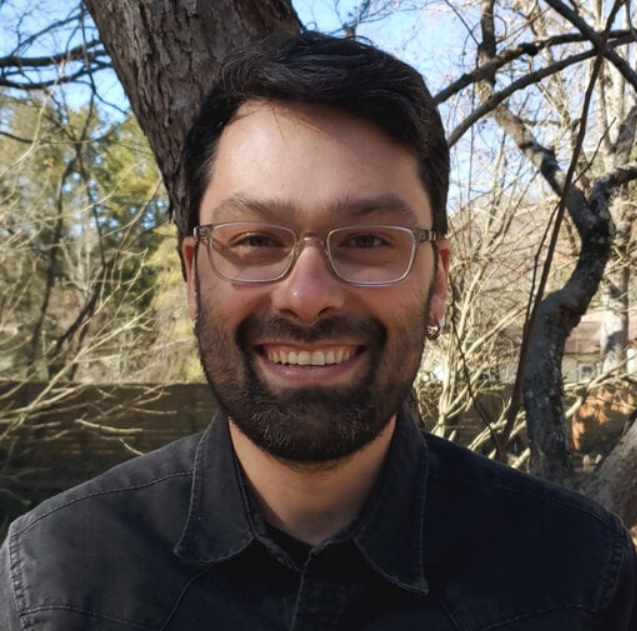
Jack Berfield
Jack began his time at Rural Support Partners (RSP) in 2025 as an intern while completing his Master of Social Work program at Western Carolina University. Since joining RSP full time he has served as a Consulting Associate and Projects Manager. Combining his analytical skills with his social work ethical orientation toward addressing the root cause drivers of social, economic, and ecological injustice, he works to translate complex systems-level theory and data into actionable insights which support RSP’s clients in their work.
Before coming to Rural Support Partners, Jack served on the Volunteer Organizing Committee for the unionization effort at Moog Music, in Asheville, NC. This experience provided him with hands-on experience and the understanding that, when working people are afforded the opportunity to express themselves and assert their agency in the workplace, the democratic process is strengthened and reinforced. He is also a long-time volunteer and supporter at the Asheville Tool Library (ATL). In particular, he is a founding member of the Asheville Community Art Balcony—a working group within the ATL that promotes no-barrier access to the means for artistic self-expression and community building in Asheville.
While gaining his MSW at Western Carolina University, he was drawn to group work, policy, and community and organizational development. He completed his other internship alongside the community members of a small rural town in Western North Carolina doing disaster relief work and organizational development after Tropical Storm Helene. He is a member of the International Association for Social Work with Groups and an avid researcher, with ongoing projects titled Neighborhood Resilience: A Qualitative Exploration of Social Responses to Natural Disaster and A Phenomenological Study of Asheville’s Tool Library. He is currently writing a chapter on disaster response for a textbook on rural social work. Finally, he is an award-winning presenter, winning top prize in the Graduate Oral Presentation section of Western Carolina University’s annual Graduate Research Symposium in 2026 for his research on collective responses to natural disasters. He is a graduate of The Evergreen State College, where he gained a B.S. in Natural Products Chemistry with a minor in Sociology, and a lasting appreciation for the Pacific Northwest's misty woods.
He gardens in his free time when he is not roaming the mountains with his partner and dog.
Non-RSP Consulting Partners
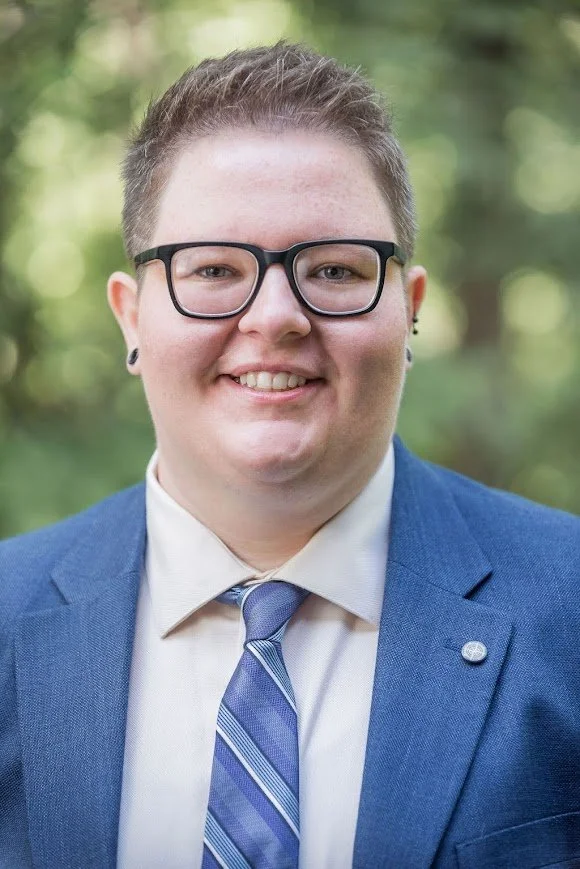
Atlas Charles
Atlas Charles partners with leaders and organizations to get unstuck, make clear decisions, and build organizations that excel in today’s world. Atlas works with leaders who feel stretched or caught in patterns that aren’t producing results, helping them move into clarity, traction, and sustainable impact. Their work focuses on strengthening how people relate, make decisions, and execute together so that strategy turns into real progress and organizations become places where people can do meaningful work, trust how decisions get made, and keep going over the long term.
Their approach is shaped as much by lived experience as professional practice. Atlas has led in contexts spanning from business turnarounds to nonprofit crises and reinvention. They bring a grounded, practical lens to leadership that prioritizes both results and sustainability. Growing up in a coal community in Central Appalachia, they bring a systems-thinking perspective rooted in community, care, and practical problem-solving—helping clients see both the deeper patterns driving their challenges and effective paths forward.